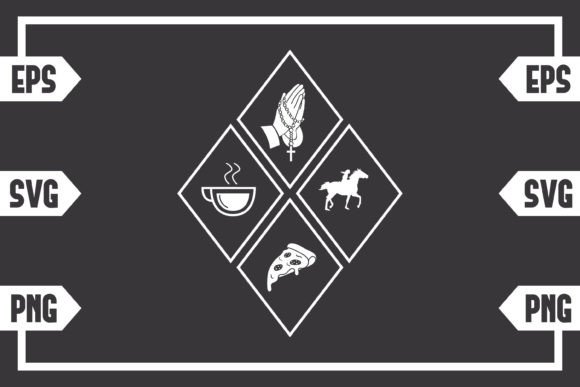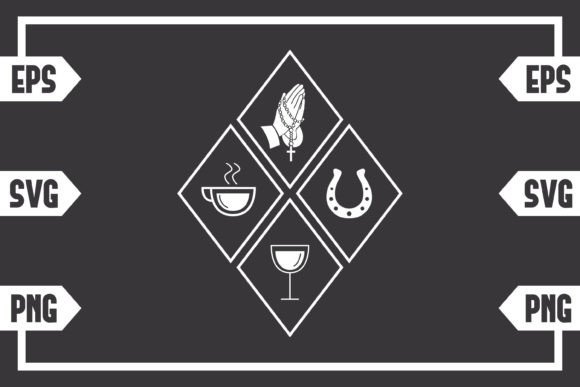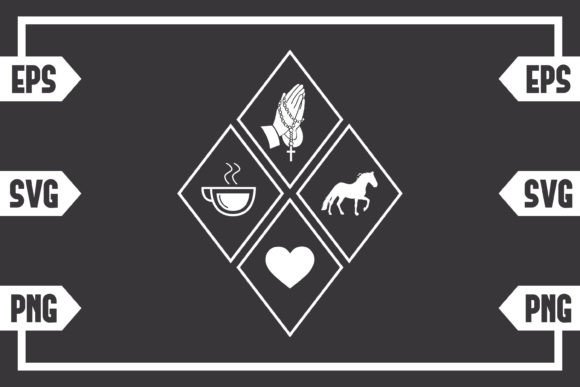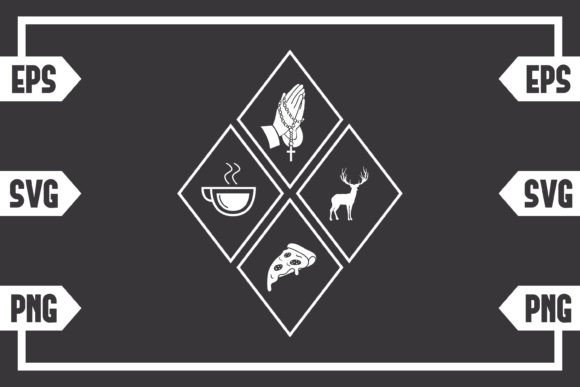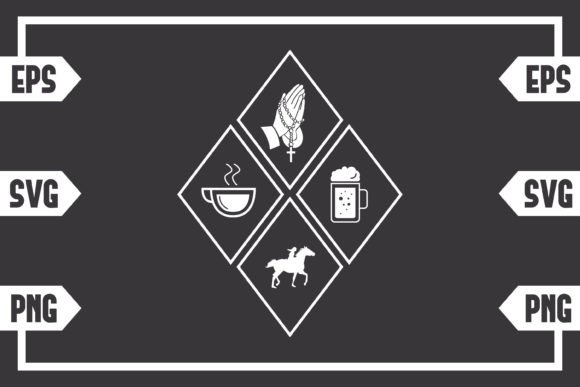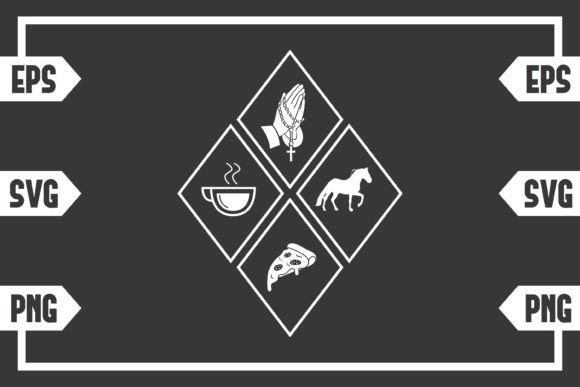
Coffee Jesus Pizza and Horse: Graphics for Crafts
When evaluating a new graphic design asset for a client project, my first question is always about versatility. Does this illustration solve a specific visual problem, or is it merely decorative? Recently, while developing a brand identity and merchandise line for an eclectic local lifestyle boutique, I tested the Coffee Jesus Pizza and Horse digital product. This particular asset targets a very specific niche within the creative marketplace, blending humor, faith-adjacent iconography, and comfort food culture into a single composition. For designers working with handmade businesses or quirky small business branding, understanding how this specific SVG design performs in real-world applications is crucial before integrating it into a commercial design workflow.
First Impressions and Visual Mood Assessment
The immediate takeaway from reviewing Coffee Jesus Pizza and Horse is its unapologetic eclecticism. It does not attempt to be sleek or corporate; instead, it leans heavily into a folk-art or novelty aesthetic that resonates with audiences who appreciate irony and comfort. The visual mood is casual, warm, and intentionally disjointed. As a designer, I see this as a strong candidate for brands that want to signal approachability over perfection. It fits naturally into projects for coffee shops with a sense of humor, Christian pop-culture merchandisers, or Etsy sellers focusing on niche meme culture.
However, the juxtaposition of these four distinct elements requires careful handling. In my test project for a boutique gift shop, the asset served as an excellent conversation starter but demanded a supporting cast of cleaner, more neutral typography to avoid visual chaos. The illustration carries significant visual weight, meaning it cannot simply be dropped onto a busy background without competing for attention. It establishes a tone that is playful yet specific, making it ideal for targeted marketing visuals rather than broad, generic corporate communications.
Performance Across Merchandise and Print-on-Demand
For print-on-demand sellers and crafters using Cricut Explore or Silhouette machines, the technical execution of this SVG design matters as much as the aesthetic. In my testing, the vector paths were clean enough for vinyl cutting, which is essential for t-shirt design and sticker design. When creating a mockup for a ceramic mug, the artwork scaled well without losing detail, maintaining crisp edges at both 3-inch and 10-inch widths. This scalability is vital for sublimation design and apparel graphics where size variations are frequent.
I also evaluated the asset for printable design applications like greeting cards and wall art. Here, the novelty factor shines. For a client launching a seasonal "Comfort & Faith" collection, this illustration provided the necessary anchor graphic for a series of postcards. However, designers should note that because the concept is so specific, it works best as a hero graphic rather than a repeating pattern element. It demands center stage. If you are designing tote bags or aprons for a church retreat or a pizza-and-wine night event, this asset delivers immediate thematic recognition that abstract shapes simply cannot achieve.
Strategic Placement in Digital and Editorial Layouts
Beyond physical crafts, Coffee Jesus Pizza and Horse has utility in web design and social media graphics. When designing Instagram posts or Pinterest pins for a lifestyle blog, I found that the illustration works best when paired with ample negative space. It functions effectively as a visual hook in carousel posts or as a featured image for articles discussing modern faith culture or comfort living. For Canva template creators, this asset adds value to niche template packs aimed at youth groups, campus ministries, or humorous gift shops.
In editorial design, such as newsletters or blog headers, the asset helps break up text-heavy content. However, readability is a concern if the illustration is placed directly behind body copy. During my layout tests, I had to ensure high contrast between the graphic and any overlaid text. The asset supports brand consistency for clients whose voice is irreverent yet affectionate, but it can undermine professionalism if used in contexts requiring solemnity or luxury. Knowing your audience’s tolerance for whimsy is just as important as the file format itself.
Where the Asset Succeeds and Where to Exercise Caution
Through practical application, I have identified specific environments where this graphic design asset excels and others where it poses risks. Understanding these boundaries prevents costly redesigns and ensures client satisfaction.
- Best Use Cases: Hero graphics for landing pages, central artwork for t-shirt design, primary label art for novelty mugs, social media engagement posts, and themed event flyers. It thrives in large layout areas where the details of the horse, pizza, and religious iconography can be fully appreciated.
- Areas of Caution: Avoid using this asset in minimalist branding projects or high-end luxury packaging. It struggles in small sizes (under 1 inch) where the intricate details merge into visual noise. Do not use it on complex photographic backgrounds without a solid container or backdrop, as the visual hierarchy will collapse. It is also unsuitable for formal corporate annual reports or serious institutional signage.
The emotional appeal of Coffee Jesus Pizza and Horse is high for the right demographic, fostering instant connection through shared cultural references. However, for audiences outside that niche, it may cause confusion. As a designer, your role is to bridge that gap through context. Pairing the illustration with clear, explanatory copy or complementary modern design elements can help ground the whimsy in a functional commercial message.
Technical Pre-Flight Checklist for Designers
Before committing this digital download to a paid client project, professional due diligence is required. Since this is a digital product with no physical component, verifying the file integrity is your responsibility. My standard review process for this type of SVG design includes several critical checks:
- Vector Editability: Open the SVG in Adobe Illustrator or Inkscape immediately. Ensure all elements are separate, editable paths and not flattened raster images disguised as vectors. Confirm you can change colors individually to match client brand palettes.
- Contrast Testing: Test the graphic in pure black and white. If the design relies entirely on color to distinguish the pizza from the horse or the background, it will fail in single-color vinyl cutting or embroidery digitizing.
- Licensing Verification: Scrutinize the commercial license terms included in the .zip file. Confirm whether you can use the asset for end-products for sale (like printed mugs) versus digital templates. Some licenses restrict print-on-demand usage or require attribution.
- Typography Pairing: Test the asset against various font styles. A bold sans serif often grounds the whimsical illustration better than a delicate script, which might compete with the hand-drawn feel of the graphic.
- Mockup Validation: Never deliver a final design based solely on screen preview. Print a test swatch or generate a realistic product mockup to verify that the line weights hold up at the intended physical size.
Ultimately, Coffee Jesus Pizza and Horse is a specialized tool in the creative design arsenal. It is not a universal solution, but for the right brief—specifically those involving humor, faith-based lifestyle products, or eclectic crafts—it offers a level of personality that stock photography cannot match. By approaching this asset with professional scrutiny regarding hierarchy, technical quality, and licensing, designers can transform a novelty graphic into a polished, commercially viable brand element that delights clients and engages their specific audience. Whether you are building a brand identity for a startup or adding fresh inventory to an Etsy shop, treating this asset with the same rigor as any other professional design resource ensures the final result feels intentional, credible, and creatively successful.