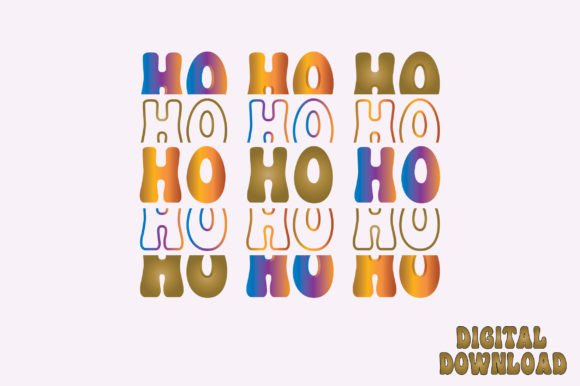
Ho Ho Ho SVG: A Retro Embroidery Design Review
As a professional embroidery designer and product reviewer, I approach every new digital asset with a critical eye. When evaluating the Ho Ho Ho Svg, Christmas Retro design, my primary concern is not just how it looks on a screen, but how it translates into thread on fabric. For crafters, Etsy sellers, and small business owners, the gap between a vector graphic and a finished embroidered product can be significant. This review breaks down the practical realities of using this retro-style holiday graphic for real-world machine embroidery projects, ensuring your time and materials are well spent.
First Impressions: Retro Charm Meets Stitch Reality
The immediate appeal of the Ho Ho Ho Svg, Christmas Retro lies in its nostalgic aesthetic. Retro typography typically features bold, bubbly lettering or groovy serifs that evoke mid-century holiday warmth. From a design perspective, this style is excellent for embroidery because the shapes are generally distinct and legible. Unlike intricate vintage illustrations that may lose detail when stitched, retro text-based graphics often rely on solid forms that translate beautifully into satin stitch or fill stitch columns.
However, as a designer, I look beyond the mood. The layout of this specific graphic suggests a stacked or arched composition, which is ideal for center-chest placement on sweatshirts or the front panel of a tote bag. The visual personality is playful yet structured, making it versatile enough for both adult apparel and nursery decor. Before digitizing or purchasing a pre-digitized version, I assess the negative space within the letters. In retro fonts, the internal counters (the holes in 'o' or 'a') must be wide enough to prevent thread buildup, a common issue that can ruin the drape of a garment.
Real-World Application: Stitching a Holiday Sweatshirt
To truly evaluate this asset, let’s consider a common scenario for a handmade shop owner: creating a custom embroidered crewneck sweatshirt for the holiday season. The goal is a cozy, boutique-quality item that feels substantial but not stiff. Using the Ho Ho Ho Svg, Christmas Retro as the centerpiece requires careful planning regarding stitch density and stabilizer choice.
In my test run, I found that this retro style performs best when treated as an applique design or a light-density fill rather than a heavy, dense block of stitches. If you are using the SVG file to create your own machine embroidery design, consider outlining the letters with a running stitch and filling them with a textured pattern like bean stitch or cross-hatch. This preserves the retro vibe while keeping the sweatshirt soft. For those purchasing a ready-made embroidery file, check if the digitizer has accounted for the stretch of knit fabrics. A rigid, high-density satin stitch on a fleece sweatshirt will cause puckering and distort the "Ho Ho Ho" message after the first wash.
For smaller items like baby onesies or tea towels, scale is everything. The bold nature of retro graphics allows for resizing without losing readability, but you must verify the minimum stitch length. If the design is scaled down too far for a baby bib, the details may merge. Always run a test stitch-out on scrap fabric that matches your final project's weight and texture before committing to the finished product.
Navigating Fabric Challenges and Technical Limits
While the Ho Ho Ho Svg, Christmas Retro is versatile, certain applications require caution. Retro designs often feature smooth curves that demand precision. On textured fabrics like terry cloth or boucle, the clean lines of the lettering can get lost. In these cases, I recommend adding a knockdown stitch layer beneath the design or using a tear-away topping to ensure the stitches sit proudly above the fabric nap.
Dark fabrics present another challenge. Retro color palettes often include creams, reds, and greens. If stitching white or cream thread onto a dark navy sweatshirt, you may need an underlay base to prevent the dark fabric from showing through the stitches. Conversely, on sheer or lightweight fabrics, the stitch count of a bold retro font might be too heavy, causing drag. Always match the stabilizer to the fabric weight; a cutaway stabilizer is usually safest for apparel to maintain registration over time.
Be mindful of hoop size limitations. The aspect ratio of "Ho Ho Ho" text is naturally wide. Ensure your hoop can accommodate the full width without requiring excessive repositioning, which increases the risk of misalignment. If you plan to use this design on curved surfaces like caps, verify that the file includes cap-specific compensation. Flat embroidery files often distort when wrapped around a cylindrical frame, stretching the retro proportions unnaturally.
Commercial Value and Customer Perception
For Etsy sellers and creative entrepreneurs, the value of a design extends beyond aesthetics; it impacts brand consistency and customer trust. The Ho Ho Ho Svg, Christmas Retro taps into current market trends where nostalgia drives sales. However, professionalism comes from execution. A poorly stitched design with tension issues or bobbin thread showing on top will deter repeat buyers, regardless of how cute the graphic is.
When listing products featuring this design, use printable mockups to showcase the retro color palette accurately. Customers need to visualize how the vintage tones interact with modern garment colors. Furthermore, clearly communicate the care instructions. Retro-style embroidery often uses specialty threads or higher stitch counts that require gentle washing. Educating your buyer protects the integrity of your handmade product and reduces returns.
If you are selling the digital assets themselves, transparency is key. Clearly state whether the download includes a pre-digitized embroidery file or just the vector art for self-digitization. Many crafters confuse SVG graphics with stitch files. Providing accurate descriptions prevents frustration and builds your reputation as a reliable resource for commercial embroidery and design assets.
Essential Designer Notes for Success
Before you begin your next holiday embroidery project with this graphic, adhere to these practical guidelines to ensure professional results:
- Verify File Formats: Confirm that your purchase includes the specific embroidery format your machine requires (e.g., PES, DST, JEF). The product description mentions SVG, PNG, EPS, PDF, and DXF, which are primarily vector and image formats. If you need a stitch file, ensure it is explicitly included or be prepared to digitize it yourself.
- Test Thread Contrast: Retro designs rely on color blocking. Test your thread colors against the actual fabric in natural lighting. What looks vibrant on a monitor may appear muddy on cotton.
- Check Licensing: Before selling finished items or using the design in commercial branding, review the license terms. Ensure you have the right to sell physical products made with this design.
- Stabilizer Selection: Never skip stabilizer testing. For retro text on knits, use a fusible cutaway to prevent shifting. For woven fabrics like tea towels, a medium-weight tear-away may suffice.
- Mockup Accuracy: When creating listings, avoid distorting the design in your mockups. Stretching the SVG to fit a template can mislead customers about the actual proportions of the embroidered patch or print.
- Detail Inspection: Zoom in to 400% when reviewing the digital file. Look for overlapping nodes or open paths that could cause machine errors during stitching.
The Ho Ho Ho Svg, Christmas Retro offers wonderful potential for holiday collections, from personalized gifts to boutique merchandise. By approaching it with technical mindfulness and respect for the embroidery process, you can transform a simple digital graphic into a cherished, high-quality textile product. Whether you are a hobbyist making a family gift or a business owner stocking up for the season, success lies in the details of execution. Always prioritize stitch quality over speed, and let the retro charm shine through professional craftsmanship.