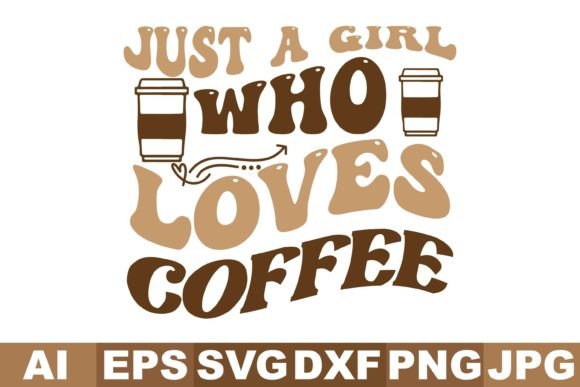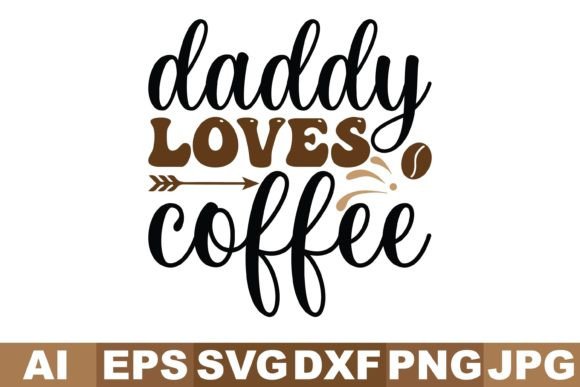
Daddy Loves Coffee SVG: Graphics for Crafts & Blogs
As a digital publisher and blog designer, I constantly evaluate how visual assets translate from a standalone file to a functional element within a live content ecosystem. When reviewing the Daddy Loves Coffee Svg Designs collection, my primary focus is not just on the aesthetic appeal of the vector art, but on its utility across real-world publishing workflows. This graphic design asset immediately strikes a balance between playful lifestyle imagery and clean, professional lines, making it a versatile candidate for content creators targeting family, parenting, or coffee culture niches.
The initial impression of this collection suggests a modern, approachable mood that avoids looking overly amateurish—a common pitfall in the Crafts category. For a blogger or newsletter creator, this distinction is vital. The designs possess enough structural integrity to serve as legitimate editorial design elements rather than mere decorations. They evoke a sense of warmth and relatability, which is essential for building reader trust in personal blogs or affiliate marketing sites focused on home goods, brewing equipment, or fatherhood lifestyle content.
Integrating Vectors into Editorial Workflows
In a real publishing environment, versatility is the metric that matters most. I tested these assets across several standard content formats to see how they hold up under production pressure. For blog graphics and featured images, the scalable nature of the SVG format ensures crisp rendering on high-DPI displays without increasing page load times. This is a significant advantage over rasterized PNGs when optimizing for Core Web Vitals.
For social media managers and Pinterest strategists, these designs function exceptionally well as foundational layers for Pinterest pin templates. Because the vectors are clean, they can be easily resized or recolored within a Canva template to match specific seasonal campaigns or brand color palettes without losing quality. I found them particularly effective for creating consistent category thumbnails on a website header or sidebar, helping users visually navigate content related to parenting or culinary topics.
Beyond standard web use, this asset class shines in the creation of monetizable digital products. Publishers creating lead magnets, such as a "Dad’s Morning Routine" checklist or a coffee brewing guide, will find these graphics add immediate perceived value to PDF downloads. The professional finish helps bridge the gap between a free blog post and a paid digital guide, supporting higher conversion rates for email list building.
Enhancing Visual Hierarchy and Brand Identity
Effective content marketing relies on clear visual hierarchy. The Daddy Loves Coffee Svg Designs support this by offering distinct focal points that guide the reader's eye without overwhelming accompanying text. In my testing, placing these graphics beside headline text improved scanability, breaking up dense paragraphs and reducing bounce rates on mobile devices.
- Brand Consistency: Using a unified set of graphics across blog posts, newsletters, and social media graphics creates a cohesive brand identity that readers recognize instantly.
- Click-Through Potential: Attractive, relevant visuals in search results and social feeds significantly outperform generic stock photography for niche-specific queries.
- Reader Engagement: Custom-feeling artwork fosters a stronger emotional connection than impersonal corporate imagery, which is crucial for community-building blogs.
- Professional Polish: High-quality vectors signal to advertisers and affiliates that the publication maintains high editorial standards.
This level of polish is what separates hobbyist sites from professional publications. Whether used in a media kit to attract sponsors or as part of an affiliate marketing banner, the clean aesthetic communicates competence.
Strategic Placement: Where These Assets Perform Best
Based on my design review, these assets excel in specific high-visibility areas. They are ideal for hero images on landing pages dedicated to Father’s Day promotions or coffee product reviews. As editorial accents within long-form articles, they provide necessary visual breathing room that keeps readers engaged. For email marketers, using these vectors in newsletter headers can increase open rates by providing a familiar visual cue in a crowded inbox.
However, strategic restraint is equally important. I advise against using highly detailed versions of these designs as tiny mobile thumbnails, where intricate lines may blur or disappear. Similarly, if your website utilizes a very minimal, stark corporate aesthetic, these warmer, more illustrative graphics might create tonal dissonance. They should also be used carefully on text-heavy backgrounds; always ensure sufficient negative space exists around the graphic to maintain readability. Avoid placing them in serious, somber editorial contexts where a playful coffee motif might undermine the gravity of the subject matter.
Publisher Notes: Technical and Licensing Due Diligence
Before deploying any design assets to a live site, rigorous testing is non-negotiable. I recommend previewing these SVGs inside your actual blog layout, not just in design software. Check how they render against both light and dark mode backgrounds, as contrast issues can alienate users with visual impairments. Test legibility at 50% scale to ensure they work as small icons or favicons.
Typography pairing is another critical factor. These graphics pair beautifully with bold sans-serif fonts for a modern look or handwritten scripts for a personal touch. However, avoid ornate serif fonts that compete with the illustration's own line weight. From a performance standpoint, always optimize SVG code by removing unnecessary metadata before uploading; this keeps your web design lightweight and fast.
- Verify Commercial Licensing: Before using these on monetized blogs, affiliate pages, or in paid printables, confirm the specific commercial license terms. "Personal use only" restrictions can lead to legal issues for digital publishers.
- Test Cross-Browser Compatibility: Ensure the SVG renders correctly on Safari, Chrome, and Firefox, as some older browsers handle vector masking differently.
- Check Color Accessibility: Run the color combinations through a WCAG contrast checker to ensure compliance with accessibility standards.
- Evaluate Scalability: Zoom in to 400% to check for jagged edges or anchor point errors that indicate poor digitization quality.
- Review File Organization: A professional creative marketplace download should include organized layers or grouped elements for easy editing in Illustrator or Inkscape.
The description for this collection mentions a commitment to unique, attractive, and professional designs, positioning the shop as a resource for those seeking quality over quantity. For digital publishers, this promise of professionalism is the key selling point. When integrated thoughtfully, Daddy Loves Coffee Svg Designs do more than decorate a page; they enhance user experience, reinforce branding, and support the business goals of modern content websites. By treating these graphics as strategic editorial tools rather than simple clip art, bloggers and creators can elevate their visual communication and build a more trustworthy, engaging digital presence.